Quartz vs Quartzite: What’s the Difference?
If you’re researching countertop materials, you’ve probably noticed two options with confusingly similar names: quartz and quartzite. While both are durable, attractive options that work beautifully in kitchens and bathrooms, there are significant differences that are important to understand. Choosing between them matters because what works perfectly in one kitchen might be completely wrong for another.
In this article, we’ll cover the key differences in material performance and cost that you should consider for your next project.
Quartz vs Quartzite: Quick Comparison Chart
| Feature | Quartzite | Quartz |
| Material Type | 100% Natural Stone | Engineered (93% quartz, 7% resin) |
| Hardness (MOHS Scale) | 7-8 (Harder than granite) | 7 (Similar to granite) |
| Heat Resistance | Excellent – can place hot pots directly | Limited – requires trivets |
| Sealing Required | Yes (modern sealants last several years) | No – never needs sealing |
| Stain Resistance | Excellent when sealed | Excellent – non-porous |
| Appearance | Linear veining, unique patterns, natural variation | Consistent patterns, unlimited colors |
| Price Range | $$ – Higher end | $$ – Mid to upper range (starting at $55/sq ft) |
| Chip Repair Visibility | More noticeable due to clean patterns | More noticeable due to consistent patterns |
| Best For | Maximum durability, heat resistance, natural beauty | Low maintenance, consistent patterns, specific colors |
The Difference Between Quartz and Quartzite
Quartzite: 100% Natural Stone
Quartzite forms deep in the earth when sandstone undergoes intense heat and pressure over thousands of years. The result is an incredibly hard natural stone that is quarried, cut into slabs, and fabricated into countertops. Each quartzite slab is unique because it came directly from the earth, with natural variations in veining and color that can never be exactly replicated.
On the MOHS hardness scale (which measures mineral hardness), quartzite ranks between 7-8. That makes it even harder than granite, and it’s actually one of the hardest natural stones used for countertops. This extreme density is why special saw blades are required during fabrication.
Quartz: Engineered Stone
Quartz countertops are man-made, but they’re not synthetic. The material is approximately 93% ground natural quartz mixed with 7% resin and coloring. This engineered process allows manufacturers to create consistent patterns and a wide range of colors that aren’t found in nature.
Because quartz is engineered, manufacturers can control the final appearance and characteristics. That’s why you’ll see pure white quartz countertops (something rare in natural stones) and more consistent patterns across entire slabs.
What Is the Most Durable Countertop for a Kitchen?
When comparing quartz vs quartzite for durability, quartzite takes the lead as one of the hardest natural stones available for countertops.
Quartzite Durability
Quartzite ranks 7-8 on the MOHS hardness scale—even harder than granite. It resists scratching extremely well and can handle the daily wear and tear of a busy kitchen. The natural stone is incredibly resilient to knife marks, everyday impacts, and general use.
Like all countertop materials, quartzite can chip if something heavy strikes it at the right angle. However, because quartzite typically features cleaner, more linear patterns, chip repairs can be more noticeable compared to busy granite patterns where repairs blend in more easily.
Quartz Durability
Quartz countertops are just as strong as granite, making them equally desirable for kitchens, bathrooms, and bar tops. The engineered material resists scratching and daily wear effectively.
Like quartzite, quartz can chip from heavy impacts. Because both quartz and quartzite typically have cleaner, more consistent patterns, chip repairs tend to be more visible than repairs in busy granite patterns where color variation helps hide the patched area.
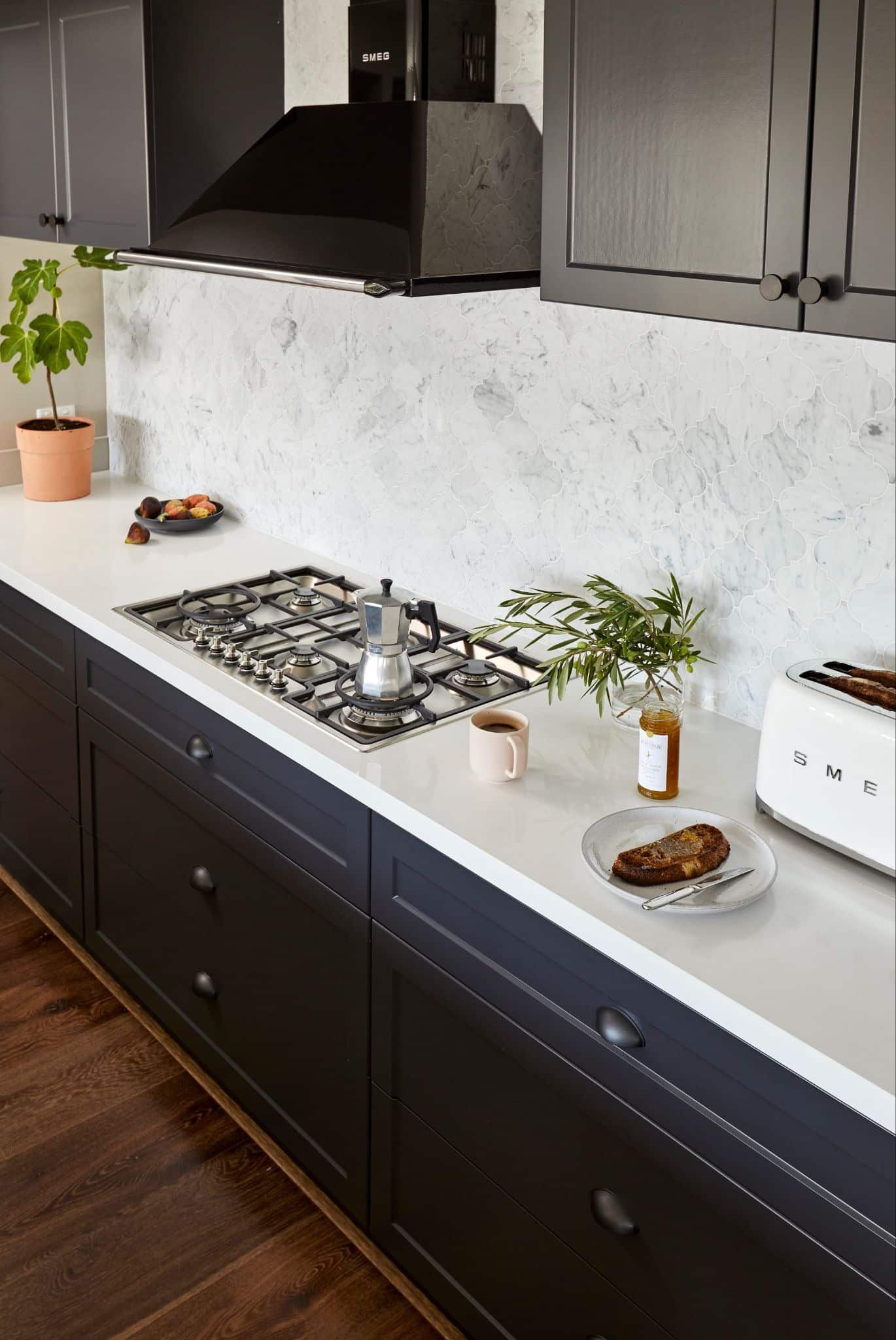
However, there’s one critical limitation with quartz: heat resistance. While quartzite can handle hot pots and pans directly on the surface, quartz cannot. The resin used to bind quartz can burn or discolor when exposed to high heat. If you place a hot pot directly onto your quartz countertop, you could cause irreparable damage.
Winner for durability: Quartzite wins on both hardness and heat resistance, making it the most durable choice for kitchens where you want countertops that can handle anything.
What Is the Downside of Quartzite?
While quartzite offers exceptional durability and natural beauty, it does have maintenance requirements that some homeowners prefer to avoid.
Sealing: Not the Hassle You Might Think
You’ve probably heard that quartzite requires frequent sealing, and this concern stops many homeowners from choosing this material. The reality is that modern sealant technology has come a long way, and sealing is far less of a burden than many people assume.
Yes, quartzite is a porous natural stone that benefits from sealing to protect against staining. But with today’s high-quality sealers, you’re not dealing with constant maintenance. The process is straightforward, takes minimal time, and depending on your sealer and usage, you may not need to reseal for several years.
Most importantly: this shouldn’t deter you from picking quartzite countertops. The exceptional durability, heat resistance, and natural beauty quartzite provides far outweigh the occasional, simple sealing process.
Cleaning Product Restrictions
For daily cleaning, mild dish soap, warm water, and a microfiber cloth handle most situations. You can also use pH-balanced cleaners like Green Works or ammonia-free glass cleaner.
However, you need to avoid certain cleaning products that can damage the sealer or etch the stone:
- Bleach
- Vinegar
- Ammonia
- Citrus-based cleaners
- Harsh chemical cleaners
- Scouring pads
Natural Variation
Because quartzite is natural, every slab is different. For some homeowners, this unique character is exactly what they want. For others who prefer perfectly consistent patterns, this variation might be considered a downside. You’ll need to select your specific slab at the showroom to know exactly what your finished countertops will look like.
Choose Quartz for Lower Maintenance
If quartzite’s maintenance requirements don’t fit your lifestyle, quartz offers a compelling alternative. Quartz is completely non-porous, which means it’s highly resistant to staining and doesn’t require sealing ever.
That said, it’s important to clean up spills promptly regardless of your countertop material. If you leave red wine, coffee, or cooking oils sitting on any surface—quartz, quartzite, or granite—long enough, staining can occur. Once a stain sets in, it’s extremely difficult or impossible to remove. The advantage with quartz is that its non-porous surface gives you more time to clean up spills before staining becomes an issue.
Simple soap and water are all you need for daily cleaning. For busy homeowners who don’t want to worry about sealing schedules or special cleaners, quartz delivers convenience.
Which Is More Expensive, Quartzite or Quartz?
When comparing quartz vs quartzite pricing, both materials fall into the mid to upper price range for countertops, but quartzite typically costs more.
Quartzite Pricing
Quartzite typically runs slightly more expensive than quartz, partly because it’s harder to work with during fabrication. The extreme density that makes quartzite so durable also makes it more challenging (and therefore more costly) to cut and shape. Special saw blades and extra fabrication time add to the overall cost.
Additionally, because quartzite is a natural stone, rarer colors and more dramatic veining patterns can command premium prices.
Quartz Pricing
Quartz pricing varies significantly between brands and patterns. At Titan Granite, we stock multiple quartz brands starting at $55 per square foot. Lower-cost quartz colors tend to be more solid and consistent, while dramatic vein patterns typically cost more because they’re more complex to manufacture.
The engineered nature of quartz means pricing is more predictable across slabs of the same color, unlike natural stone where each slab can vary.
Slab Size Considerations That Affect Cost
Slab size impacts your total project cost, especially if you’re trying to minimize seams.
Quartzite slabs vary in size depending on the quarry and specific stone. Natural limitations mean you’re working with what nature provides, which can affect seam placement and overall project cost.
Quartz slabs come in more standardized sizes, though not all colors are available in all sizes:
- Smaller slabs: around 120″x56.5″
- Standard slabs: approximately 127″x63″
- Jumbo slabs: up to 136″x74″ (though not all colors come in this size)
If you’re planning a large island or want to minimize seams, check what slab sizes are available in your chosen material and color before finalizing your decision.
Appearance: Natural Beauty vs Engineered Consistency
Quartzite’s Natural Beauty
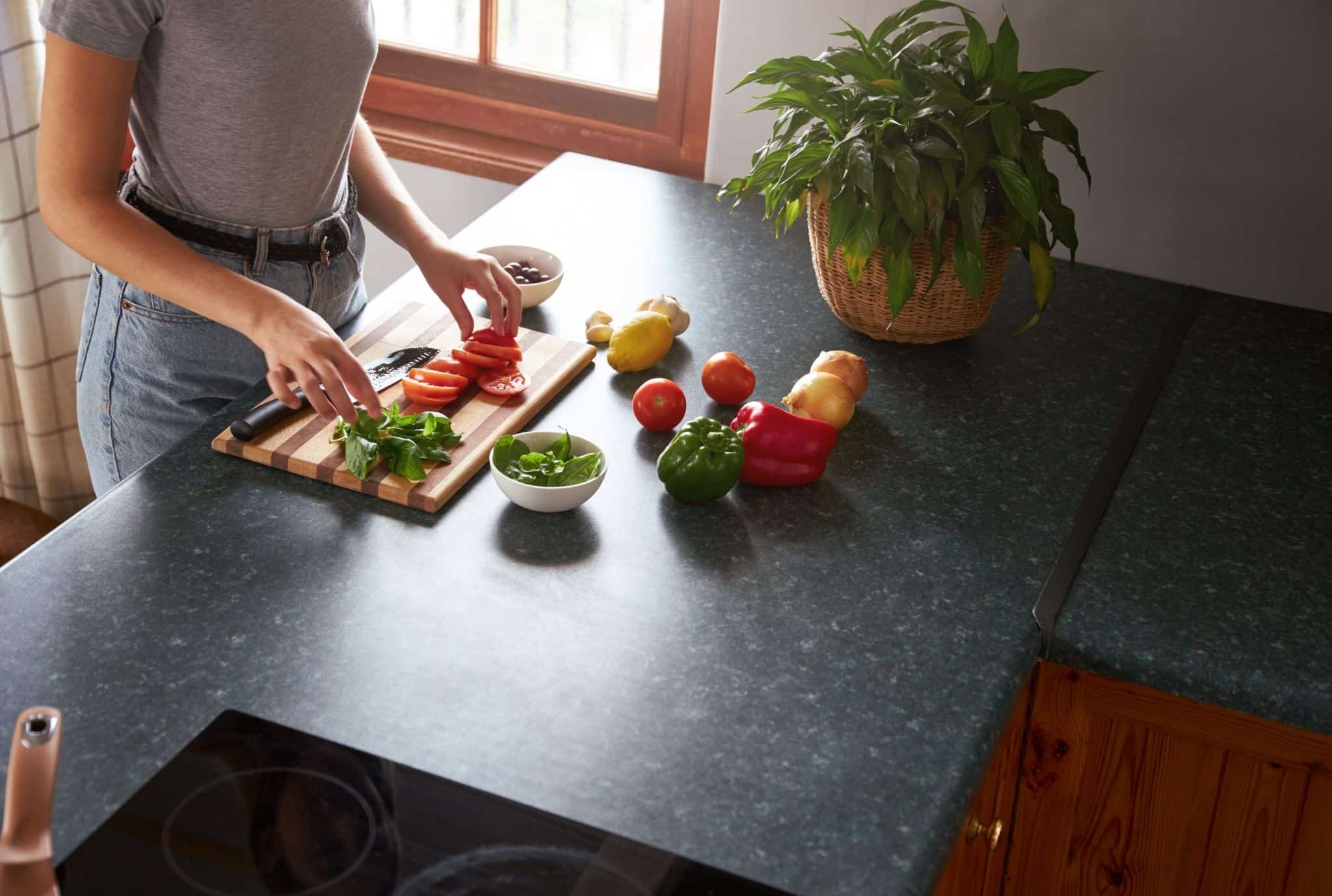
Quartzite typically features linear veining rather than the speckled patterns you see in many granites. This creates a clean, crisp, modern look that’s particularly popular right now. The natural veining can range from subtle to dramatic, depending on the specific stone.
Some quartzites are quite simple with minimal veining (like Taj Mahal Quartzite, which offers timeless elegance), while others feature bold, striking patterns (like Fusion Quartzite, which becomes a jaw-dropping focal point in your kitchen).
Quartz’s Consistency
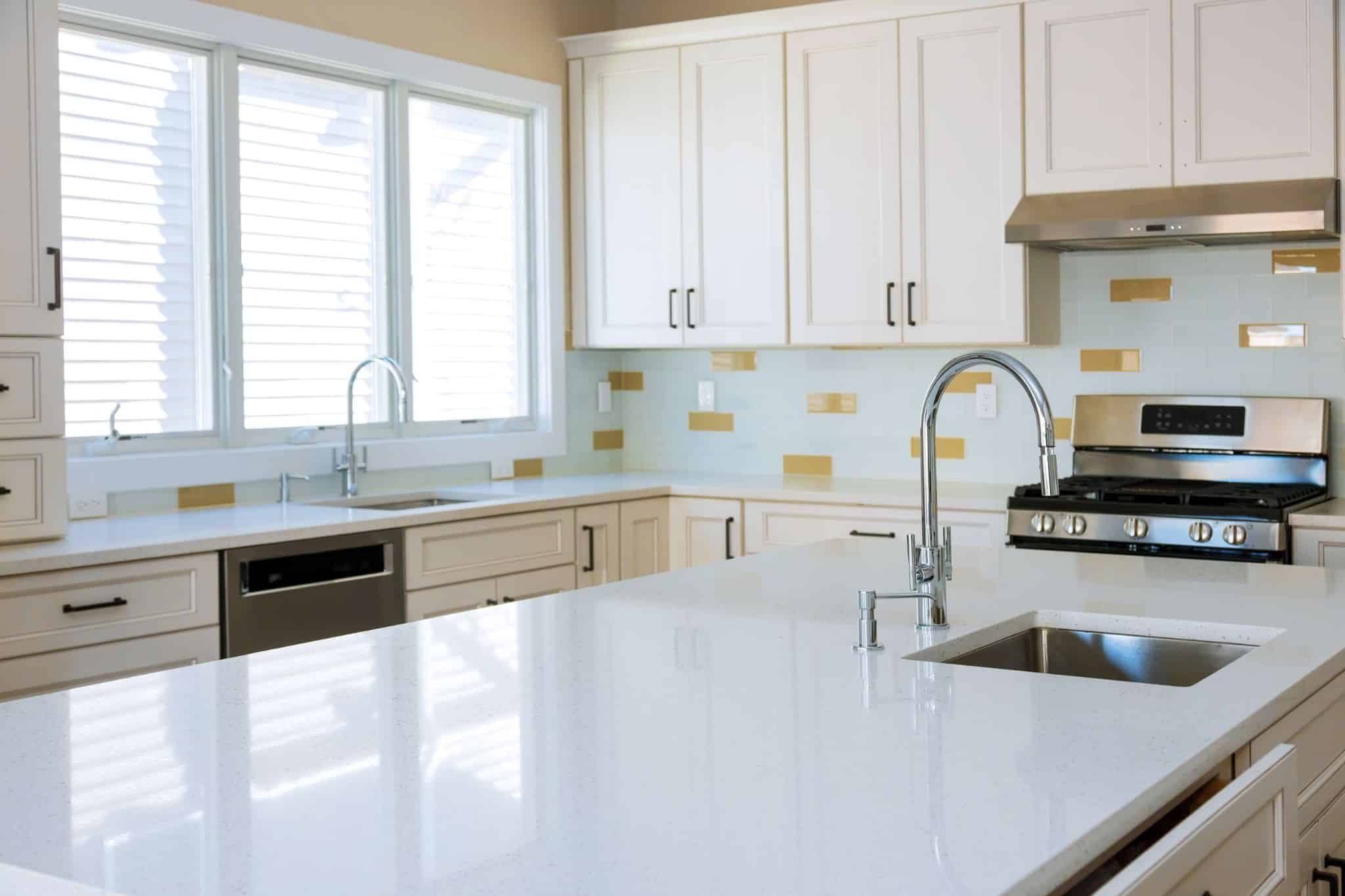
Since quartz is engineered, patterns are highly consistent across slabs. If you’re working with a large kitchen that requires multiple slabs, this consistency can be an advantage. The seams may be less noticeable because patterns match more predictably.
The color options for quartz are virtually endless. Manufacturers continue producing new patterns and colors, including designs that mimic natural stones like marble, granite, or concrete. If you’re looking for a pure white countertop or a specific color that doesn’t exist in nature, quartz can deliver.
Should I Do Quartz or Quartzite Countertops?
The right choice between quartz and quartzite depends on your lifestyle, cooking habits, design preferences, and maintenance priorities. There’s no universally “better” option—only the better option for your specific situation.
Choose Quartzite If You:
- Want a durable countertop surface available for kitchens
- Need heat resistance for placing hot pots and pans directly on the surface
- Love natural stone with unique, one-of-a-kind veining
- Prefer the sleek, modern look of linear patterns
- Want the character and variations of natural stone
Choose Quartz If You:
- Want extremely low maintenance (no sealing required, ever)
- Need consistent patterns across multiple slabs
- Want specific colors not found in nature (especially pure whites)
- Are willing to use trivets for hot pots and pans
- Prefer a non-porous surface for effortless cleaning
- Have a more budget-friendly price point in mind
Don’t Choose Based on Names Alone
The biggest mistake people make is assuming these materials are similar because their names sound alike. The reality is they’re as different as natural leather and vinyl. Both can be beautiful and functional, but they’re fundamentally different materials with different characteristics.
Compare Quartz vs Quartzite in Person at Titan Granite
Reading descriptions online only gets you so far. The way light hits quartzite’s natural veining, the subtle depth variations in the stone, and the feel of the polished surface are impossible to fully appreciate in photos. The same goes for quartz—you need to see how patterns and colors look under your home’s lighting conditions.
At Titan Granite’s 16,000 square foot showroom in Fenton, The Vault houses over 60 full slabs of granite, quartz, marble, quartzite, and porcelain. You can compare quartzite and quartz side by side, hold your cabinet door up to different slabs, and see exactly how each material looks and feels.
In our showroom, you get to see the full slab, not just a 4×8 sample like many other retailers offer. That matters more than you might think. A small sample of a dramatic veined quartz can look completely different at full scale across your actual countertop. Seeing the whole slab lets you make a confident decision rather than guessing how a pattern will translate in your kitchen.
Our team has over 10 years of experience helping St. Louis homeowners navigate these decisions. Since we handle the entire fabrication process in-house, we can answer your specific questions about working with either material and explain exactly what to expect in your particular application.
Whether you’re leaning toward quartz, quartzite, or still exploring your options, we’re here to give you the knowledge you need to make the best decision for your project. Stop by our showroom or give us a call to see both materials in person and get your questions answered.