Granite vs. Quartz vs. Marble
Choosing a countertop is one of the most impactful decisions you’ll make in a kitchen or bathroom renovation. It affects how your space looks, how it functions day to day, and how it holds up over years of real life use. With so many options on the market, the granite vs. quartz vs. marble debate comes up in nearly every conversation we have with homeowners at our St. Louis showroom.
So we put together this guide to give you a clear, honest breakdown of each material.
What’s the Difference?
Before comparing performance, it helps to understand where each material comes from and how it’s made.
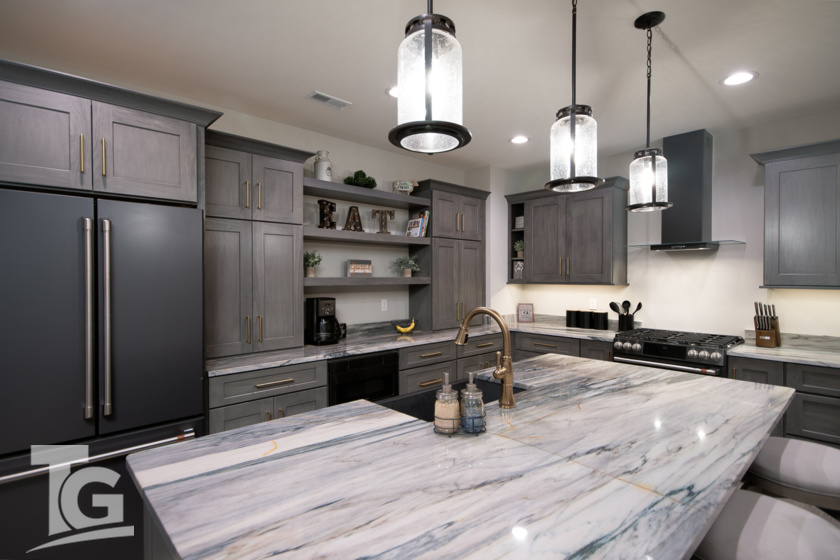
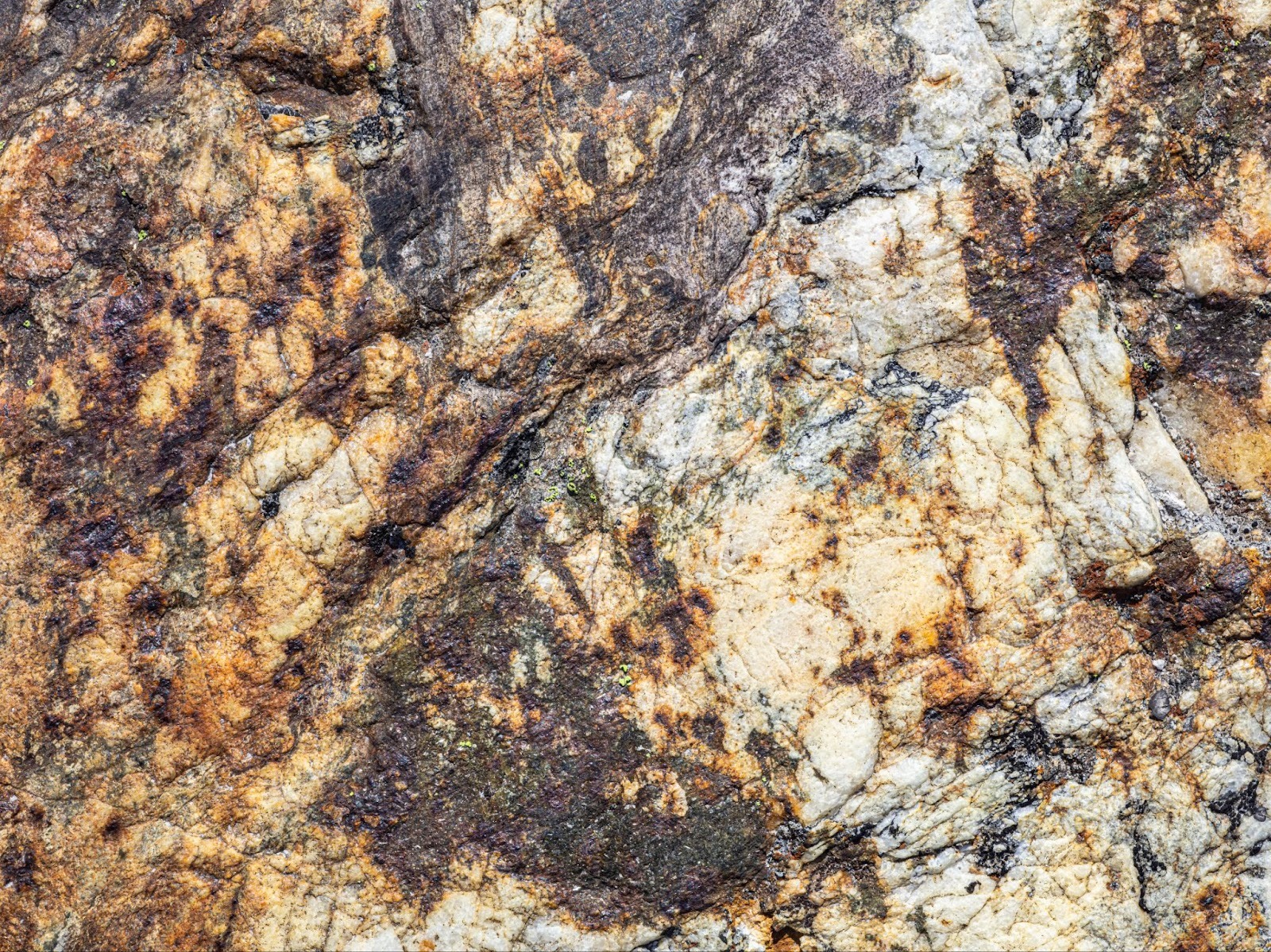
Granite is a 100% natural stone formed over millions of years when molten rock from the earth’s core is pushed toward the surface. The combination of that molten rock and a variety of minerals creates the endless variety of patterns and colors you see in granite slabs. Because it comes straight from the earth, no two slabs are exactly alike.
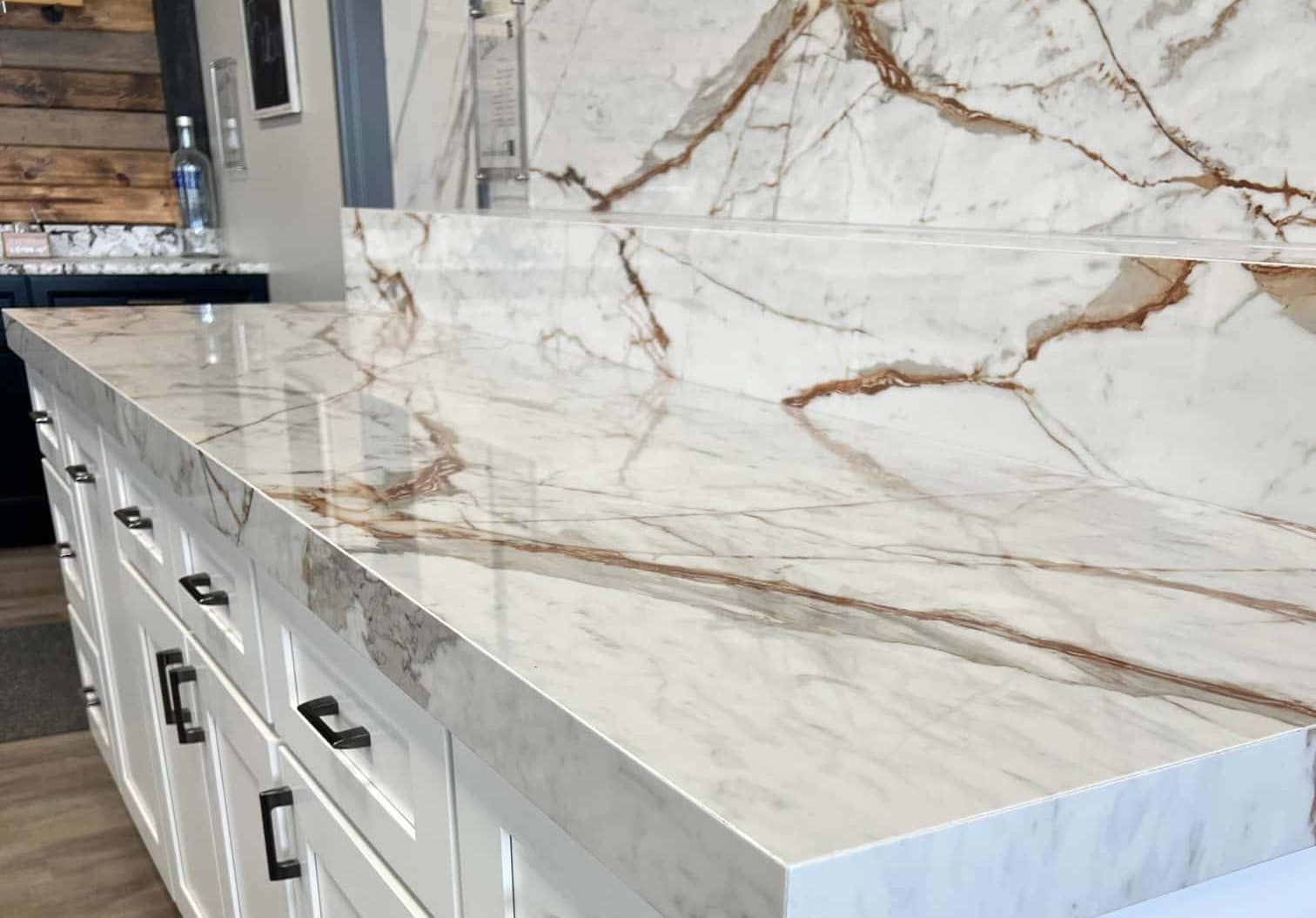
Quartz countertops are man-made. Manufacturers grind up natural quartz and combine it with resin and other binding agents to create a slab. Because the process is engineered, quartz can be produced in colors and patterns that don’t exist in nature, including the crisp, bright whites that are so popular in modern kitchens. Natural stone simply doesn’t come in pure white, which is a big part of why quartz has exploded in popularity.
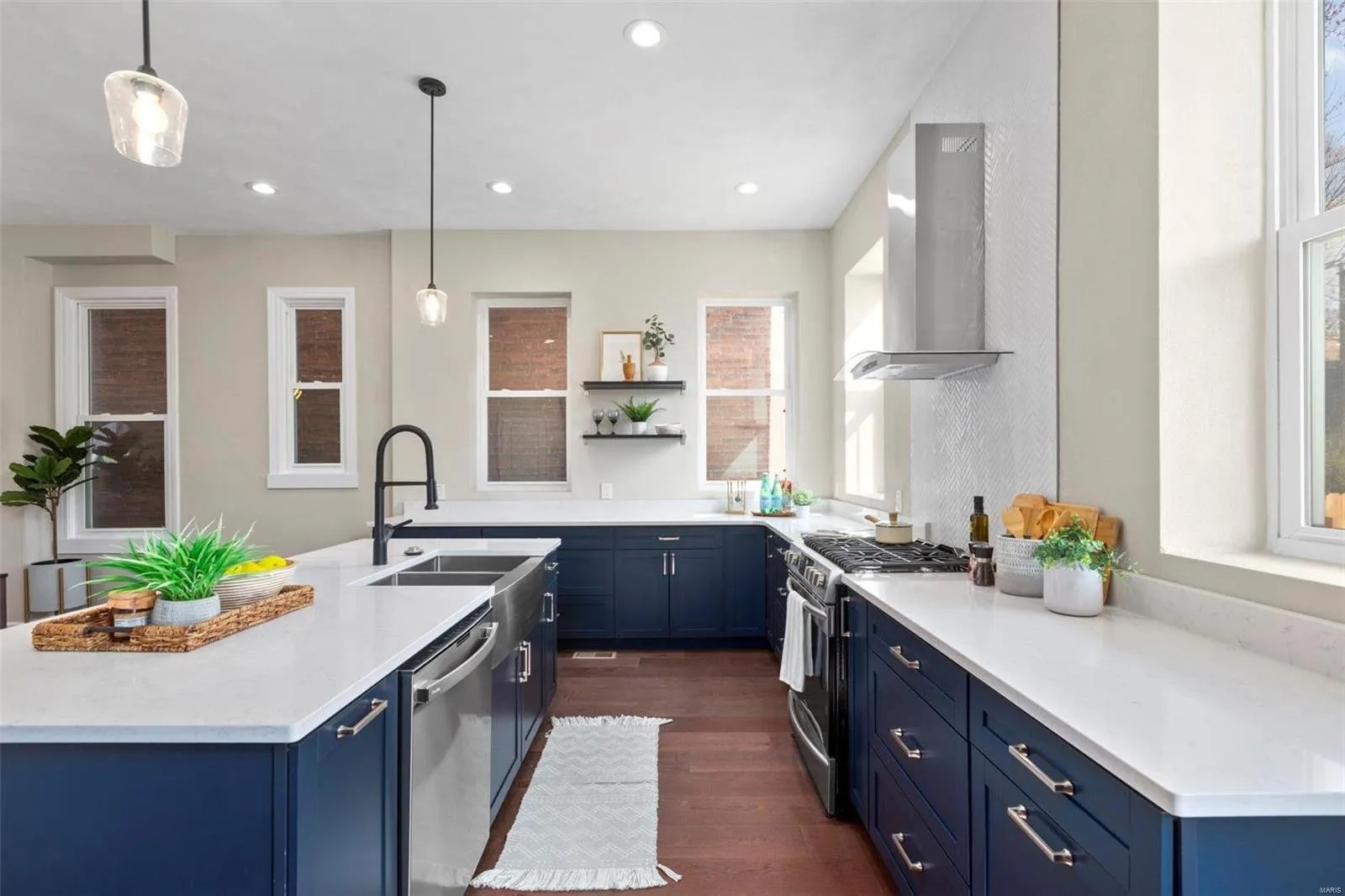
Marble is 100% natural stone formed when limestone is subjected to extreme heat and pressure deep within the earth. The result is one of the most beautiful materials used in home design, with a milky, translucent quality and elegant veining that no engineered product has ever been able to fully replicate. It is also one of the highest-maintenance countertop materials available.
| Granite | Quartz | Marble | |
| Origin | 100% natural stone | Man-made (natural quartz + resin) | 100% natural stone |
| Hardness (MOHS) | 6-7 | 6-7 | 3-4 |
| Porous? | Yes | No | Yes |
| Requires Sealing? | Yes | No | Yes |
| Heat Resistant? | Yes | Moderate | Yes |
| Each Slab Unique? | Yes | No | Yes |
| Best For | Kitchens, bathrooms, bar tops | Kitchens, bathrooms, busy households | Bathrooms, low-traffic kitchens |
| Price Range | $$ | $$$ | $$$$ |
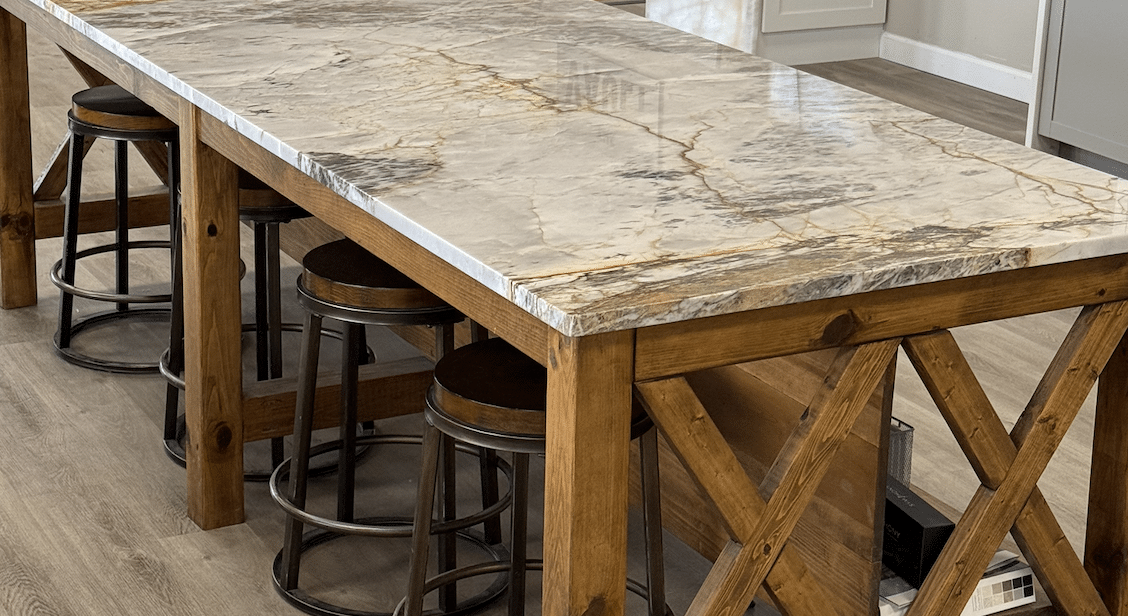
Head-to-Head: How They Stack Up
Durability
Granite: Extremely hard, durable, and long-lasting. Will not fade in color over time.
Quartz: Equally as hard as granite, with the added benefit of being non-porous and stain-resistant.
Marble: Beautiful but soft. Scratches will appear with normal use over time and cannot always be fully removed even with professional polishing. Marble is subject to etching when it comes in contact with an acid such as citrus fruits, vinegars etc. Etching is when the acid eats away at the surface creating a dull spot which you may be able to see and feel. Etching cannot be removed without resurfacing the entire countertop.
Worth noting: None of these materials are indestructible. All three can chip or scratch if something heavy, like a cast iron pan, drops directly on an edge. But for day-to-day cooking and cleaning, granite and quartz both hold up exceptionally well.
Maintenance
Granite: Porous, so it requires sealing every 1-3 years depending on use. Easy to maintain day-to-day with mild soap and warm water. Titan Granite offers a 25 year warranted sealer applied in-shop before installation, so you never have to think about it again.
Quartz: Non-porous and requires zero sealing. Spills wipe up easily with low risk of staining if you don’t catch them immediately. We have seen quartz stain if spills are left unattended for long periods of time. The lowest-maintenance countertop option we carry.
Marble: The most demanding of all three. Requires regular sealing, is prone to staining, and is susceptible to etching — a chemical dulling of the surface caused by contact with acidic substances like vinegar, citrus, tomatoes, and most common household cleaners. Sealer will not prevent etching.
Quartzite: Porous like granite and requires regular sealing to protect against staining. Daily cleaning is simple with mild soap, warm water, and a microfiber cloth.
Appearance and Variety
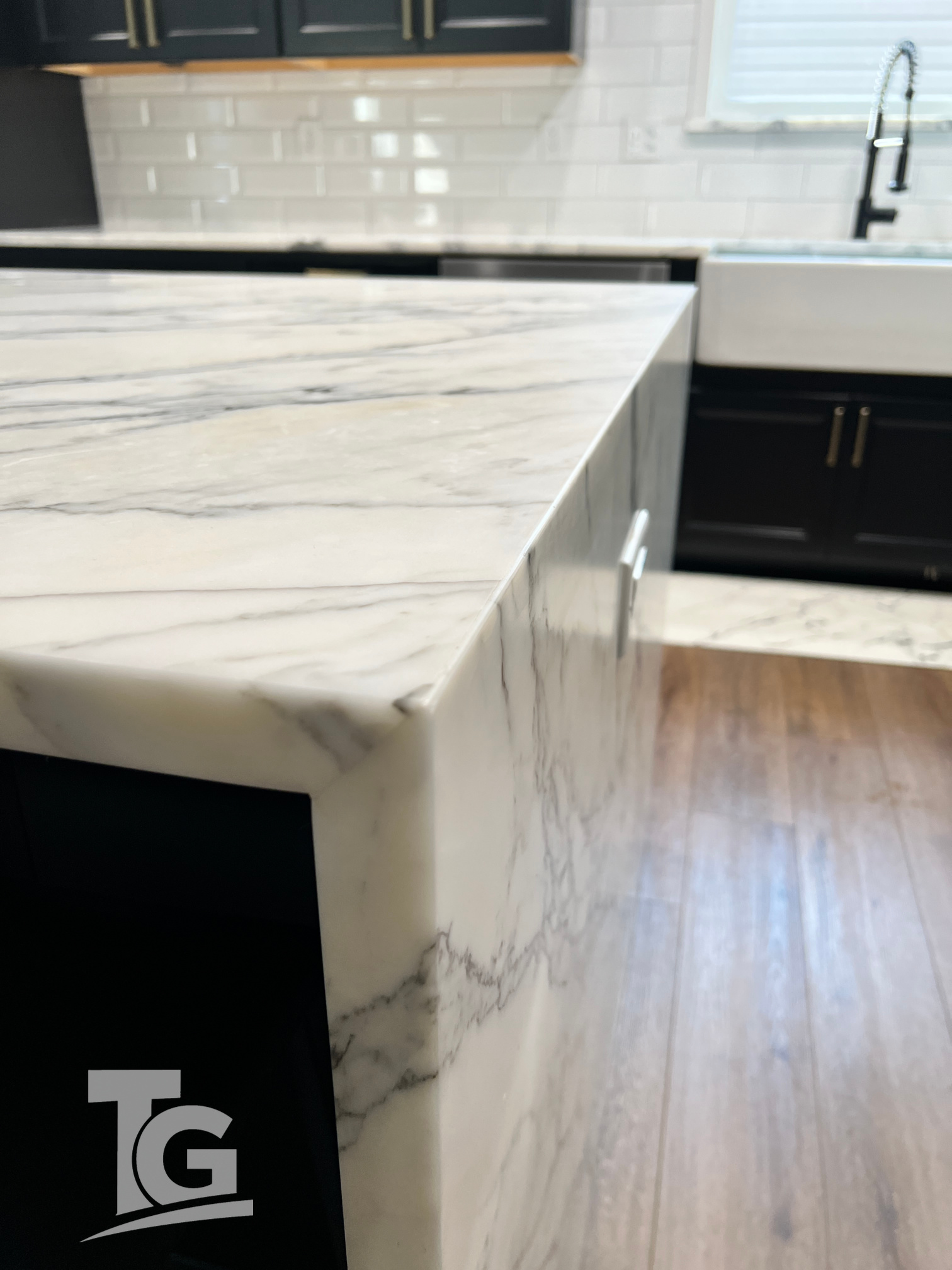
Granite: Comes in an enormous range of colors and patterns, from deep blacks and blues to warm tans and dramatic multi-color movements. Because every slab is formed by nature, no two are exactly alike. Tends toward a speckled, organic aesthetic with warm undertones.
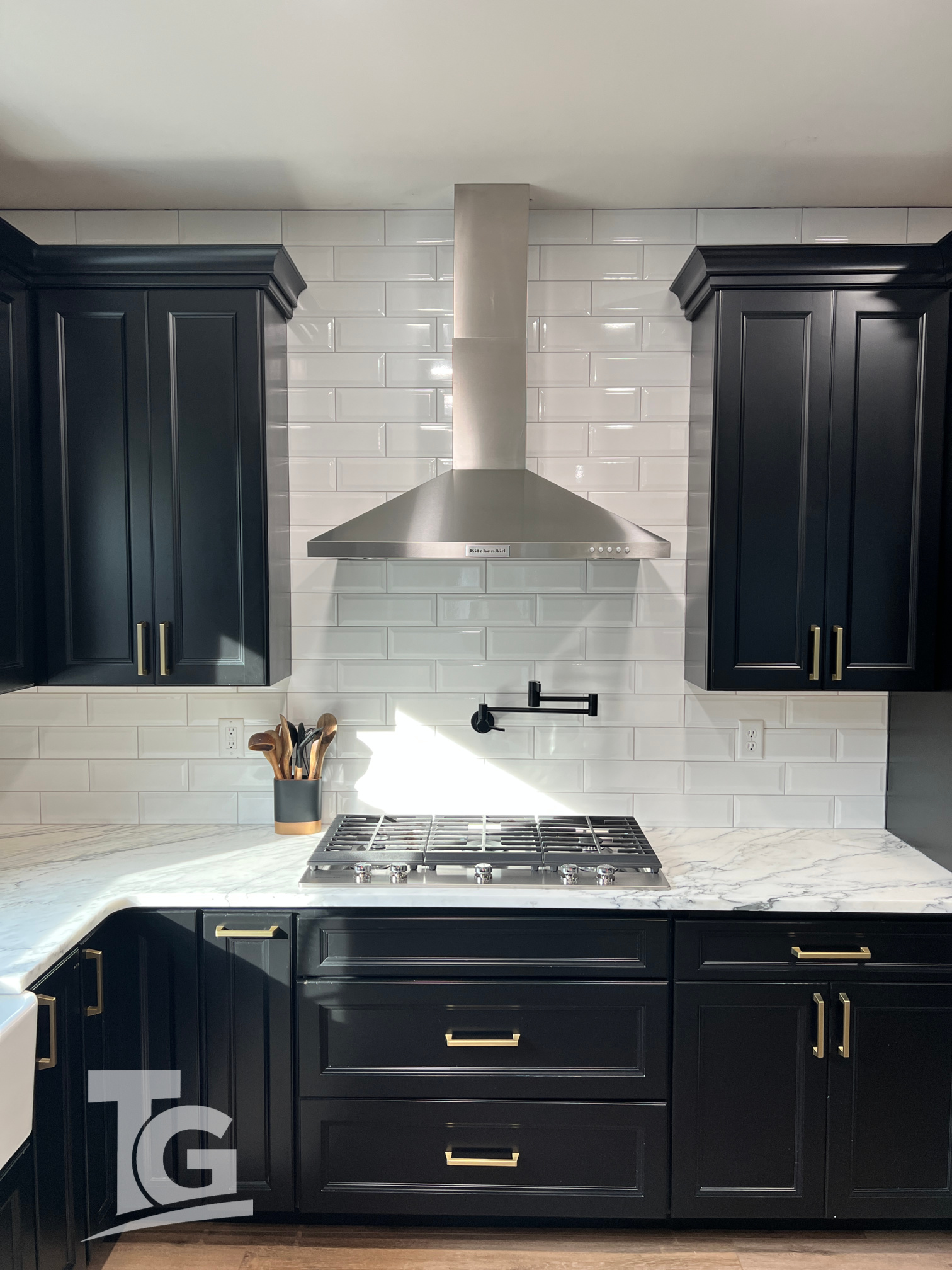
Quartz: Available in virtually unlimited colors and patterns, including the crisp, pure whites that natural stone cannot replicate. Patterns are consistent and predictable across the slab. Can be engineered to mimic the look of marble without the maintenance commitment.
Marble: Unmatched in elegance. The milky white tones and natural veining of marble have been coveted in fine architecture and design for centuries. Each slab is completely unique, with a translucent quality and movement that no engineered product has ever truly captured.
Quartzite: Tends toward a sleeker, more linear vein pattern compared to the speckled look common in granite. Comes in a range of colors and patterns, from simple and understated to bold and dramatic. Offers a clean, modern look while still being 100% natural stone.
Repairability
Granite: Chips and minor damage are relatively straightforward to repair. Because granite is a natural stone, color-matched epoxy fills blend in naturally with the organic variation in the slab, making repairs much less noticeable.
Quartz: More difficult to repair inconspicuously. Because quartz slabs are engineered with a consistent, manufactured pattern, even a well-done fill can be visible against the uniform surface. Chips in quartz tend to be more noticeable than chips in natural stone.
Marble: Can be repaired, but the softness of the stone means chips and scratches are more likely to occur in the first place. Scratches and etching may require professional polishing to address, which is a labor-intensive process.
Quartzite: Similar to granite in repairability. The natural variation in the stone makes color-matched fills easier to blend in compared to engineered surfaces.
Is Granite Out of Style?
We hear this question a lot, and the short answer is no. Granite is not out of style. It is, however, experiencing a shift in the market.
For about two decades, granite was the undisputed king of kitchen countertops. In recent years, quartz has steadily overtaken it in overall popularity, largely because of the white and neutral color trends that quartz handles better than most natural stones, and because of its low-maintenance appeal.
That said, granite’s qualities have not changed. Here’s why granite still belongs in the conversation:
- It is genuinely unique. No two granite slabs are alike, giving you a one-of-a-kind surface that no engineered product can replicate.
- It does not fade. Unlike quartz, granite will not change color over time.
- It is timeless, not trendy. Nations throughout history have used granite to memorialize their greatest achievements, from the Vietnam Veterans Memorial to historic cathedrals. That kind of staying power means something.
- Natural materials are coming back. A significant design movement toward warmer tones, organic textures, and a pushback against the all-white sterile aesthetic has many designers reaching for granite and quartzite again after years of quartz dominance.
If you love granite, do not let anyone talk you out of it. Timeless and popular are different things, and granite falls firmly in the timeless category.

What Is the Most Popular Countertop Right Now?
Quartz is currently the most popular countertop material in the United States, and has held that position for several years. Its combination of low maintenance, consistent availability, and design versatility has made it the top choice for a wide range of homeowners and remodelers.
Why quartz has taken the top spot:
- Non-porous, so no sealing is ever required
- Available in pure white and bright neutrals that natural stone cannot match
- Consistent pattern and color across the slab with no surprises at installation
- Highly stain-resistant, ideal for busy kitchens
- Wide range of price points to fit different budgets
Within the quartz category, white and light gray tones with subtle or dramatic veining remain the most requested looks. Patterns that mimic Calacatta marble, with a bright white background and bold veining, are particularly popular. One of our bestsellers is Calacatta Miraggio Quartz — a crisp white quartz with subtle gray veins that is one of the few quartz countertops actually made in the USA.
That said, “most popular” does not mean “best for your home.” The right countertop is the one that fits your lifestyle, your aesthetic, and your space’s specific character.
How Do You Clean Quartz, Granite, and Other Natural Stone Countertops?
The single most important rule of stone countertop care is knowing what to avoid. This applies across all materials.
Never use on any stone surface:
- Ammonia-based cleaners
- Bleach
- Vinegar
- Citrus-based cleaners
- Scouring pads or abrasive scrubbers
- Hydrofluoric acid or methylene chloride
These ingredients will slowly eat away at the polish on your countertops, dulling their finish over time. Even “natural” cleaners and anything with a citrus scent fall into this category.
Daily cleaning routine for all stone surfaces:
| Cleaning Task | What to Use |
| Everyday spills and cooking residue | Mild dish soap + warm water + microfiber cloth |
| Tougher messes | pH-balanced, stone-safe cleaner (such as Green Works or ammonia-free glass cleaner) |
| Disinfecting | Stone-safe disinfectant (check label for ammonia and bleach) |
So, Which Countertop Material is Right for You?
| If You Want… | Best Choice |
| Lowest maintenance possible | Quartz |
| A completely unique, natural surface | Granite or Quartzite |
| Pure white or bright neutral tones | Quartz |
| Timeless elegance; willing to do upkeep | Marble |
| Maximum hardness and durability | Quartzite |
| Best value for a busy kitchen | Granite or Quartz |
| A showstopper in a lower-traffic space | Marble |

The Right Way to Shop for Stone Countertops
There is one piece of advice we give every single customer that walks through our doors, and it applies no matter which material you’re leaning toward: you have to see the full slab in person.
This cannot be overstated. Browsing photos online or flipping through a sample catalog will only get you so far. Those small 4×4 samples and website images do not tell the whole story, and here’s why that matters:
- Every natural stone slab is different. Two slabs of the same granite variety from the same quarry can look dramatically different in person. The movement, the color saturation, the veining pattern — none of it is guaranteed to match what you saw in a photo.
- Scale changes everything. A pattern that looks subtle on a small sample can be bold and dramatic stretched across a full kitchen island. The reverse is also true. You simply cannot predict how a slab will look in your space until you see the full thing.
- Quartz has more consistency, but it still varies. Even engineered stone can look different depending on the lighting in the showroom versus the lighting in your home. Seeing it at full size helps you make a confident decision.
- The slab you pick is the slab you get. With natural stone especially, you are not ordering a product off a shelf. You are selecting a specific piece of the earth. Two people can order the same granite color and end up with completely different looking kitchens. That is part of the beauty of it — but it means you want to see exactly what you are getting before you commit.
Get Inspired for Your Next Project
At Titan Granite, we keep hundreds of full slabs in The Vault specifically so you can walk the yard, see your options at scale, and choose the exact piece that will live in your home. We think that experience is irreplaceable, and we’ve never had a customer regret taking the time to see it in person.
Stop by our showroom today! Our team is here to answer every question you have and walk you through the decision without pressure.